



Looking for a Shorter Overview?
AI Summary
Key Moments
Economics-Politics Nexus
Political decisions and economic policies are deeply interdependent, influencing each other's outcomes.Challenges in News Media
Digital transformation and misinformation threaten journalistic integrity and revenue models.Impact of Social Media
Social platforms create echo chambers affecting public opinion and polarization.Globalization’s Dual Effects
Globalization drives economic growth but also raises issues like income inequality and cultural homogenization.In today’s interconnected world, the realms of economics, politics, news, and the globalized society are deeply intertwined, shaping our societies and influencing decision-making at various levels. This visually captivating blog post delves into the complex interactions between these domains, highlighting their significance and exploring the ways in which they impact our lives.
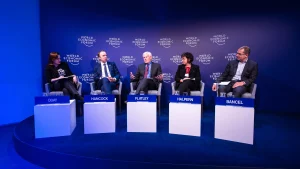
The interplay between economics and politics forms a complex and intricate web that shapes the world we live in. The Economics-Politics Nexus refers to the symbiotic relationship between economic policies and political decisions, highlighting the interdependence of these two vital aspects of society. Political choices influence economic strategies, while economic conditions often dictate political agendas. This intricate relationship is evident in various spheres, such as trade policies, taxation, and welfare programs, where political ideologies and decisions directly impact economic outcomes.
News Media in the Age of Information
In the Age of Information, news media faces both unprecedented opportunities and significant challenges. The widespread availability of digital platforms has democratized information dissemination, allowing news to reach a global audience almost instantly. This immediacy can foster greater transparency and awareness, but it also raises critical concerns about the accuracy and reliability of news. The rapid spread of misinformation and the proliferation of ‘fake news’ pose significant threats to informed public discourse.
Read Also


Additionally, the traditional business models of many news organizations are under strain, as the shift to digital consumption disrupts advertising revenues and audience engagement. Social media platforms further complicate this landscape, blurring the lines between news and entertainment, and between journalists and content creators. In this environment, maintaining journalistic integrity and trustworthiness becomes increasingly challenging, yet more essential than ever.
Digital era also brings numerous implications and challenges
- Digital Transformation: The shift from traditional print to online platforms has expanded the reach of news but challenges the revenue models of traditional media outlets. Newspapers face declining sales as readers turn to free online sources.
- Fake News Proliferation: The ease of publishing and sharing information online has led to the rapid spread of misinformation and fake news. This challenges the credibility of news sources and requires consumers to be vigilant in evaluating the authenticity of the news they encounter.
- Social Media Influence: Platforms like Facebook and Twitter have become significant sources of news for many people. While this provides accessibility, it also creates echo chambers where individuals are exposed only to information that aligns with their beliefs, leading to polarization and limited perspectives.

This visually captivating section explores the global dimensions of economics, politics, news, and the interconnected world, emphasizing the opportunities and challenges presented by globalization.
On one hand, globalization has opened up a plethora of opportunities, propelling economies to unprecedented heights. The seamless flow of goods, services, and ideas across borders has led to economic growth, technological advancements, and cultural exchange. Businesses can tap into international markets, fostering innovation and creating employment opportunities. Moreover, globalization has facilitated collaboration on global issues, from climate change to public health, emphasizing the importance of international cooperation.
On the other hand, this interconnectedness has brought forth challenges that demand thoughtful solutions. Income inequality has widened within and between nations, raising concerns about social justice and equity. Cultural diversity, while celebrated, faces the threat of homogenization, prompting societies to preserve their unique heritage.