






Looking for a Shorter Overview?
AI Summary
Key Moments
Historical Evolution of Cars
Cars evolved from early inventions to iconic models that shaped society and culture.Personal Transportation Impact
Cars provide freedom and flexibility crucial for daily commuting, leisure, and personal growth.Rise of Electric Vehicles
Electric vehicles reduce emissions and are central to a sustainable automotive future.Smart Urban Mobility Solutions
Car-sharing and autonomous technologies improve traffic flow and environmental outcomes.Cars have become an integral part of our lives, revolutionizing transportation and shaping the modern world as we know it. From the early days of the automobile industry to the advanced technologies of today, cars have transformed the way we live, work, and explore. In this article, we dive into the multifaceted impact of cars, exploring their historical significance, technological advancements, and the freedom and convenience they provide.
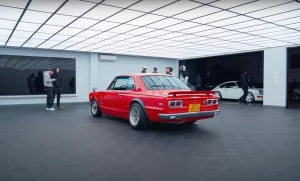
The history of cars is a captivating tale of innovation and progress. From the invention of the first automobiles to the mass production techniques pioneered by Henry Ford, cars have come a long way. We reflect on iconic models that have left indelible marks, such as the Ford Model T, Volkswagen Beetle, and the sleek designs of the mid-20th century. Exploring the evolution of cars provides insights into the societal, cultural, and economic transformations that have accompanied their development.
The Impact of Personal Transportation
Cars have granted us unprecedented freedom and convenience in our daily lives. They provide the flexibility to travel at our own pace, explore new destinations, and connect with loved ones. We examine the role of cars in expanding opportunities for work, leisure, and personal growth. Whether it’s commuting to work, embarking on a road trip, or simply running errands, cars have become an essential tool for modern life.
Read Also

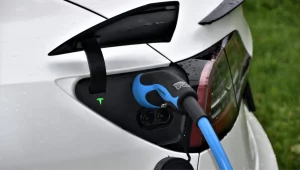
As the automotive industry embraces sustainability and innovation, cars are set to play a pivotal role in shaping a greener, more connected future. Whether you view cars as a necessity, a passion, or a symbol of personal identity, there is no denying their profound impact on society and our everyday lives.
Shaping the Future of Cars
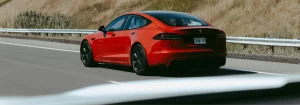
- Electric Vehicles: Environmental considerations are reshaping the automotive industry, leading to a significant focus on reducing emissions. Electric vehicles (EVs) have emerged as a sustainable alternative, producing zero tailpipe emissions.
- Innovative Materials: Car manufacturers are increasingly exploring innovative materials and lightweight design techniques to enhance fuel efficiency and reduce environmental impact. Sustainable materials, such as recycled plastics and bio-based composites, are being integrated into vehicle components.
- Smart Urban Mobility: Environmental considerations are driving the shift towards smart urban mobility solutions and shared transportation models. Car-sharing platforms and autonomous vehicles are revolutionizing the way people travel, optimizing routes, reducing traffic congestion, and minimizing the overall number of vehicles on the road.
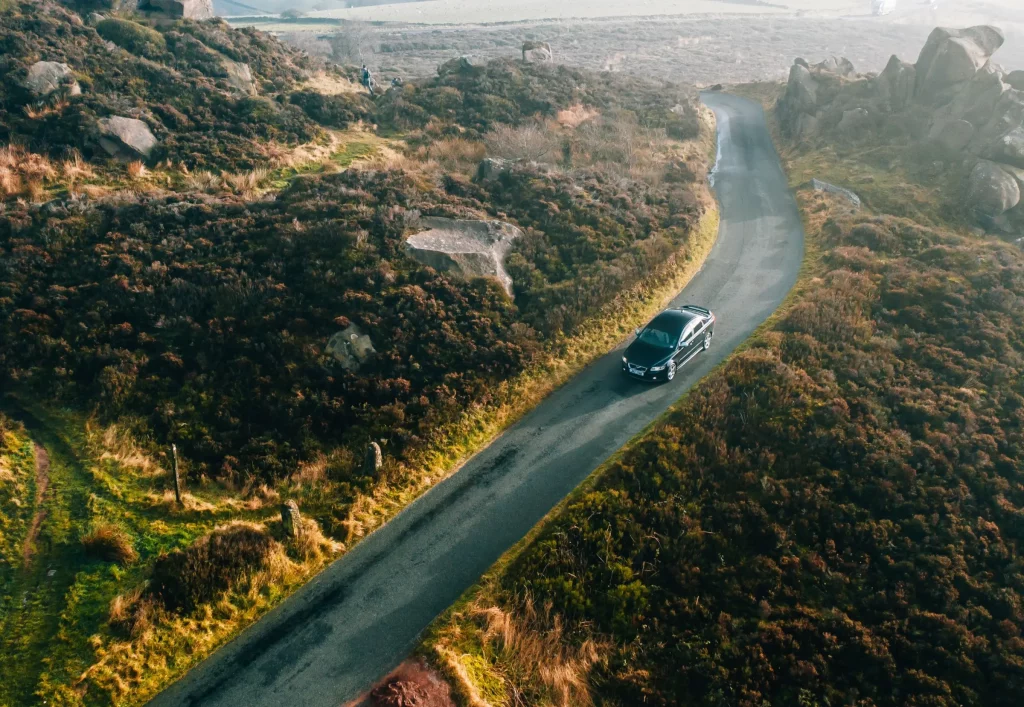
In the face of global environmental challenges, the automotive industry is undergoing a transformative shift towards sustainability. Electric vehicles (EVs) are at the forefront of this change, offering a cleaner alternative to traditional combustion engines. With zero tailpipe emissions, EVs play a crucial role in reducing air pollution and mitigating climate change impacts. Beyond electrification, the industry is also exploring innovative materials and design approaches.
Moreover, the concept of smart urban mobility is gaining momentum. This approach encompasses a range of solutions aimed at making transportation more efficient and environmentally friendly. Car-sharing platforms, for instance, are reducing the number of vehicles on the road, thereby decreasing traffic congestion and emissions. Additionally, advancements in autonomous vehicle technology promise to optimize routes and improve traffic flow, further contributing to environmental conservation.